Introduction
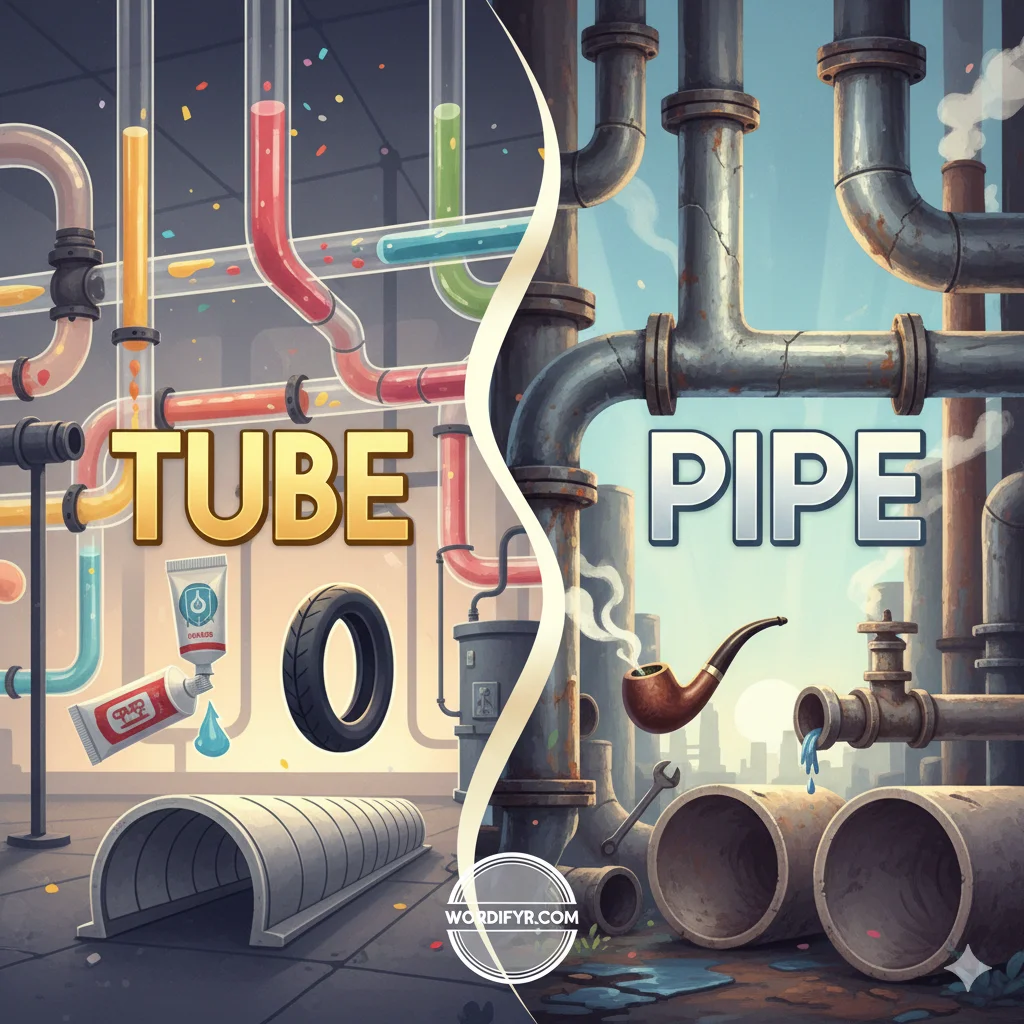
Have you ever stood in a hardware store or read a technical document and wondered whether you should use a tube or a pipe? You’re not alone. These two words are often used interchangeably in everyday conversation, which makes the confusion even worse. To most people, they look the same: hollow, cylindrical, and used to move things from one place to another. However, in engineering, construction, plumbing, and manufacturing, the difference between tube vs pipe is extremely important. Although they look/sound similar, they serve completely different purposes. Using the wrong term can lead to ordering the wrong material, design errors, or even safety issues. In this guide, we’ll clearly explain what sets tubes and pipes apart, how they’re measured, where each is used, and how to choose the right one with confidence.
What Is a Tube?
A tube is a hollow cylindrical product defined primarily by its exact outside diameter (OD) and wall thickness. Tubes are designed for precision, strength, and structural accuracy.
Meaning of Tube
➡️ A tube is a cylindrical material used where tight tolerances and exact dimensions matter.
How Tubes Are Used
Tubes are commonly used in applications where:
- Strength-to-weight ratio is important
- Precise dimensions are required
- Structural or mechanical performance matters
They are not just for carrying fluids — many tubes are used for support, framing, and mechanical systems.
Where Tubes Are Used
- Mechanical engineering
- Automotive frames and roll cages
- Aerospace components
- Furniture manufacturing
- Medical devices
- Structural frameworks
Tubes are used globally with strict dimensional standards.
Examples of Tube in Sentences
- “The bicycle frame is made from lightweight steel tubes.”
- “The hydraulic system uses precision tubing.”
- “This structure requires square and round tubes for support.”
Short Historical / Usage Note
The word tube comes from Latin tubus, meaning hollow pipe. Over time, engineering disciplines adopted the term to represent precision-made hollow products, separating it clearly from pipes.
What Is a Pipe?
A pipe is a hollow cylindrical product defined mainly by its nominal inside diameter (ID) and designed primarily for transporting fluids or gases.
Meaning of Pipe
➡️ A pipe is a cylindrical conduit used to carry liquids or gases under pressure or gravity.
How Pipes Are Used
Pipes are built for:
- Fluid flow
- Pressure handling
- Plumbing and industrial systems
Precision in outside diameter is less important than flow capacity.
Where Pipes Are Used
- Plumbing systems
- Oil and gas pipelines
- Water supply systems
- Chemical plants
- Fire protection systems
- Industrial processing plants
Pipes follow standardized sizing systems worldwide, especially in plumbing and industry.
Examples of Pipe in Sentences
- “The water pipe burst during winter.”
- “Gas flows through underground pipes.”
- “The plumber replaced the damaged pipe.”
Regional and Usage Notes
The term pipe is universal across American and British English and is heavily regulated by industrial standards such as NPS (Nominal Pipe Size).
Key Differences Between Tube and Pipe
Quick Bullet-Point Differences
- Tube is measured by outside diameter and wall thickness
- Pipe is measured by nominal inside diameter
- Tube is used for structural and precision applications
- Pipe is used mainly for fluid and gas transport
- Tube requires tighter tolerances
- Pipe focuses on flow and pressure ratings
Comparison Table (Mandatory)
| Feature | Tube | Pipe |
|---|---|---|
| Primary Use | Structural / mechanical | Fluid transport |
| Measurement | Outside diameter (OD) | Nominal inside diameter (ID) |
| Precision | High | Moderate |
| Wall Thickness | Exact value | Schedule-based |
| Common Materials | Steel, aluminum, copper | Steel, PVC, iron |
| Typical Industries | Automotive, aerospace | Plumbing, oil & gas |
| Shape Options | Round, square, rectangular | Mostly round |
Real-Life Conversation Examples
Dialogue 1
A: “I need a steel pipe for a table frame.”
B: “You actually need a steel tube, not a pipe.”
🎯 Lesson: Structural frames use tubes, not pipes.
Dialogue 2
A: “Why doesn’t this pipe fit the connector?”
B: “Because it’s a tube — pipes follow nominal sizing.”
🎯 Lesson: Pipes and tubes are measured differently.
Dialogue 3
A: “Can I use tubing for plumbing?”
B: “Only if it’s rated for pressure — pipes are safer.”
🎯 Lesson: Pipes are designed for fluid transport.
Dialogue 4
A: “Why is tubing more expensive?”
B: “Because it’s manufactured with tighter tolerances.”
🎯 Lesson: Precision increases cost.
When to Use Tube vs Pipe
Use a Tube When:
✔️ You need structural strength
✔️ Precise dimensions matter
✔️ Weight efficiency is important
✔️ The application is mechanical or structural
Examples:
- Bicycle frames
- Furniture legs
- Automotive roll cages
- Medical equipment
Use a Pipe When:
✔️ You are transporting liquids or gases
✔️ Pressure ratings are required
✔️ Plumbing or industrial flow is involved
✔️ You follow standard pipe fittings
Examples:
- Water lines
- Gas supply systems
- Oil pipelines
- Drainage systems
Easy Memory Tricks
🧠 Tube = Tight tolerances
🧠 Pipe = Pumped fluids
US vs UK Usage
There is no regional spelling difference. However, technical standards may vary slightly, but the fundamental meaning of tube vs pipe remains the same globally.
Fun Facts or History
1️⃣ Pipes are often labeled with “Schedule” numbers (like Schedule 40), which indicate wall thickness — not size.
2️⃣ Tubes can be round, square, or rectangular, while pipes are almost always round due to pressure requirements.
Conclusion
The difference between tube vs pipe is much more than vocabulary. A tube is built for precision, strength, and structural use, while a pipe is designed for transporting fluids and gases safely. Mixing the two terms can cause design mistakes, compatibility problems, and unnecessary costs. Once you remember that tubes are measured precisely and pipes are sized for flow, the distinction becomes clear. With this knowledge, you can choose the right material confidently and communicate accurately in both technical and everyday situations. Next time someone uses these two words, you’ll know exactly what they mean!